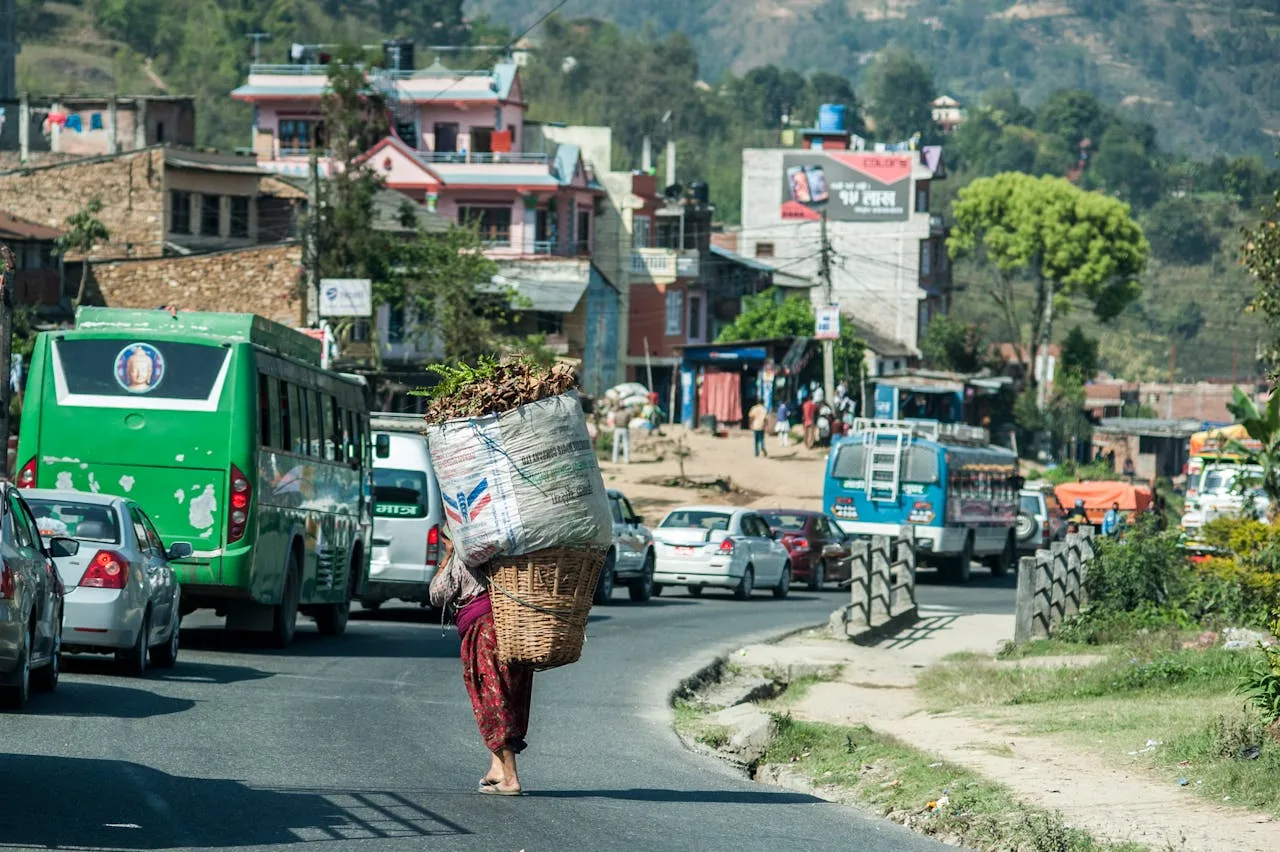
In September 2023, a passenger bus fell into the Trishuli river near Malekhu. Twenty-two people died. The investigation pointed to the same causes that appear in almost every major accident report in Nepal: excessive speed, a tired driver, and nobody in a position to intervene before the vehicle left the road.
That last part is worth sitting with. Not the speed. Not the fatigue. The fact that nobody could intervene.
According to the Nepal Police traffic division, over 2,500 people die on Nepal's roads every year. Per vehicle, that puts Nepal among the most dangerous places to travel in Asia. The causes are well documented. What's less discussed is what's technically possible right now to change the outcome.
The problem isn't information. It's that nobody has it in time.
Somewhere on the Prithvi Highway today, a microbus driver is on his eleventh hour behind the wheel. His passengers don't know that. The transport company owner in Kathmandu doesn't know either. He finds out something went wrong the same way everyone else does.
This is the gap GPS vehicle tracking actually closes. Not the accident itself, always, but the window of ignorance before it.
After enabling overspeed alerts on Kathmandu-Pokhara buses, one fleet operator reduced speed violations by 38% within 60 days. The drivers weren't replaced. The routes didn't change. Only the visibility did. The WHO's global road safety report puts speeding and fatigue at the top of the list consistently - GPS tracking addresses both without adding headcount.
For fleet managers on NepTrack's platform, the practical shift shows up in the data fast. Trip hour alerts flagged 14 fatigue-risk journeys in one operator's first month. None of those drivers had self-reported. None would have.
School buses are a bigger problem than most parents realise
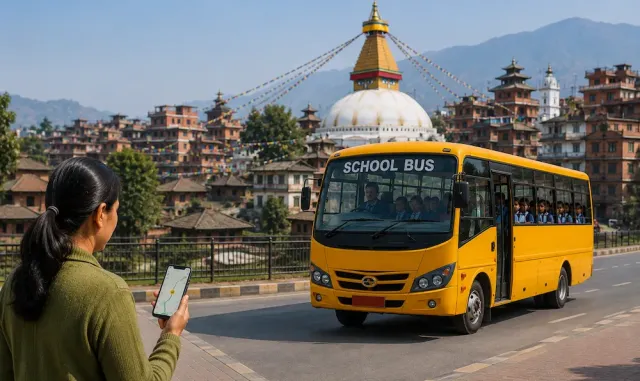
Thousands of families in Kathmandu, Pokhara, and Chitwan pay for school transport every month and have no real idea where that vehicle is between pickup and dropoff.
A private school in Lalitpur added GPS tracking to its school bus fleet in early 2026. Within two weeks, three unauthorised stops were identified and addressed. Parent complaint calls dropped to near zero by the end of the first month. The drivers weren't doing anything dramatically wrong - they just behaved differently once they knew the route was being recorded.
One administrator told us: "Parents used to call me every other day asking where the bus was. Now they get a notification when it leaves school. I don't get those calls anymore."
The harder truth is that most school transport in Nepal still runs completely unmonitored. Parents are paying for a service they cannot verify.
Certain roads keep appearing in the accident data
The Kathmandu-Narayanghat corridor, the Siddhartha Highway, the Arniko Highway. These routes come up repeatedly in Nepal's accident statistics. High traffic, high altitude, sharp curves, and terrain that deteriorates badly post-monsoon.
One logistics company running the Kathmandu-Birgunj corridor set geofence alerts around three known black-spot stretches near Hetauda. In the six months following, speeding incidents on those specific segments dropped by more than half. The drivers knew the alerts would fire. That alone was enough.
Combined with live highway condition updates, a driver knows about the landslide two kilometres ahead rather than at the worst possible moment.
What the numbers actually show
A World Bank analysis of GPS fleet monitoring across South Asia recorded a 38% average drop in speeding incidents within the first three months of deployment. Insurance claims fell. So did fuel costs - the same driving behaviour that causes accidents burns extra fuel.
Nepal's DoTM compliance requirements are also moving in this direction. Fleets building a tracking record now are ahead of enforcement that hasn't fully arrived yet. That's a compliance advantage, not just a safety one.
What happens after an accident matters as much as prevention
No system eliminates accidents. Roads fail. Vehicles fail. NepTrack's SOS emergency system is built around this reality. One button from the driver sends GPS coordinates instantly to the fleet operator and emergency contacts.
For example, a vehicle breakdown in a blind curve triggered an SOS alert. The operator had the exact coordinates within seconds and was able to dispatch support and warn oncoming vehicles before a secondary accident occurred. In rural Nepal where ambulance response can exceed an hour, that kind of response window is not a small thing.
It's not a panic button. It's an acknowledgment that once something goes wrong, response time is the one variable you can still affect.
Government and municipal fleets are largely invisible
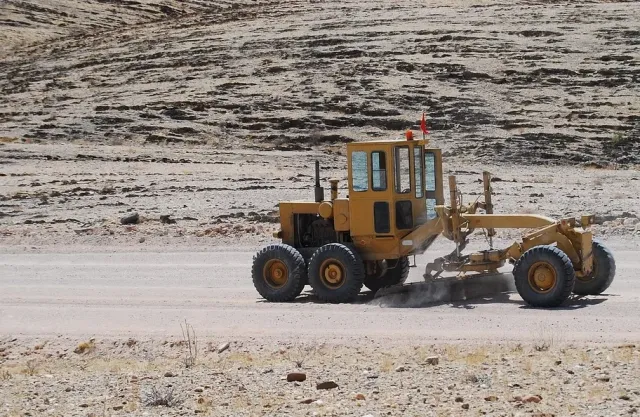
Private operators and schools have moved faster on GPS adoption. Municipal fleets - garbage trucks, ambulances, public works vehicles - are mostly still unmonitored.
The part operators keep getting wrong
Installing the hardware and then never opening the dashboard is surprisingly common. The device blinks. Nobody reads the speeding reports. Nobody sits down with the driver after a flagged incident.
The fleets that see real change review data weekly and have specific conversations with specific drivers about specific events. The tracking is the easy part. Acting on it is the work.
The next few years will matter
The UN Decade of Action for Road Safety sets a target of halving global road deaths by 2030. Nepal has signed on to that goal. Infrastructure, enforcement, and training are all part of it. So is data - real-time data from real vehicles on real roads, collected every trip, not from a government survey once a year.
GPS tracking is the infrastructure that makes that data possible at scale.
If you operate a fleet in Nepal, the question stopped being "does this make sense" a while ago. Take a look at how NepTrack's plans work, or get in touch if you want to talk through what monitoring would look like for your operation specifically.